Find Things
Scenario 01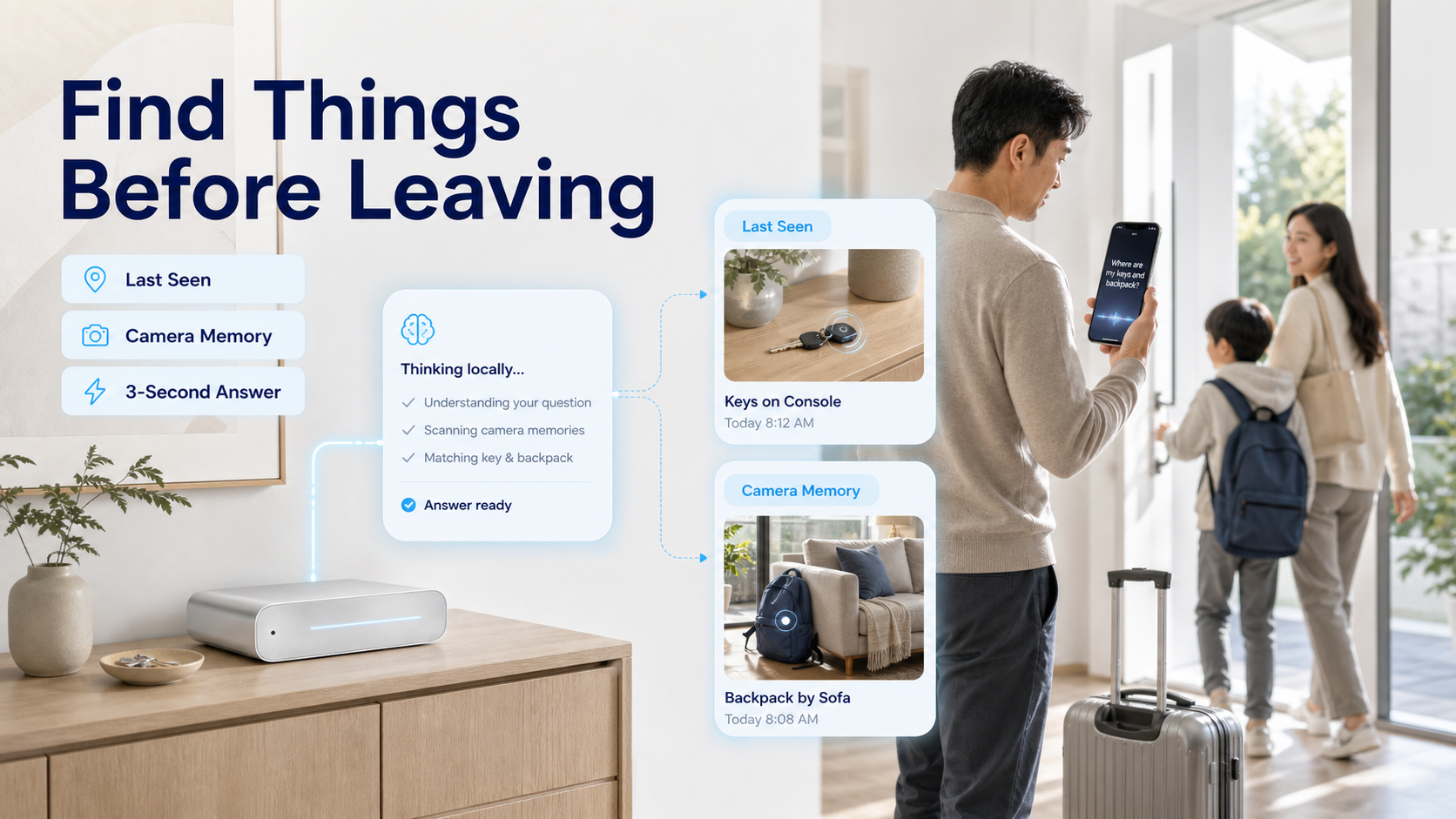
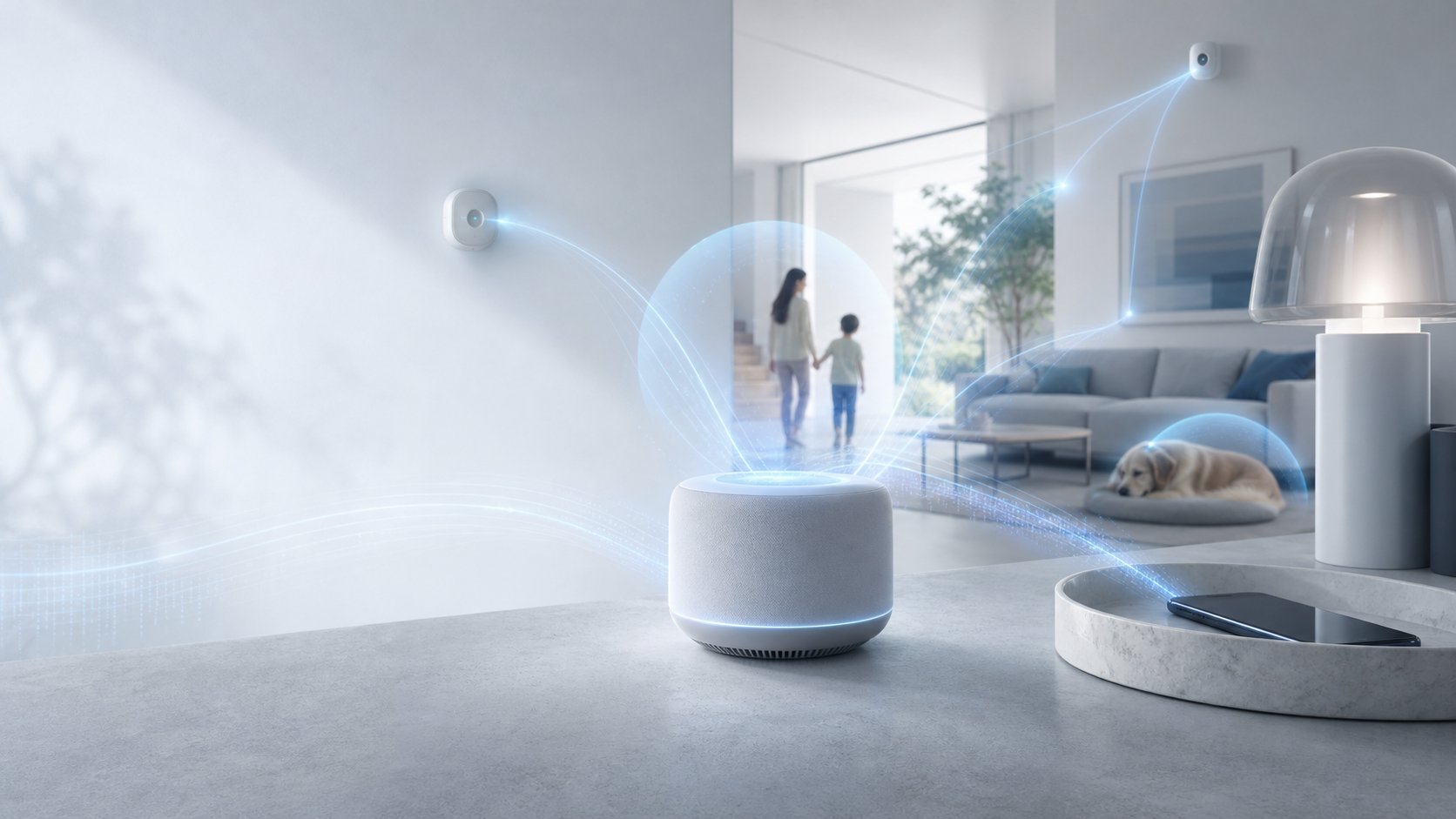
From connected devices to local, contextual intelligence: a discussion frame for Apple Cupertino, not a full solution pitch.
The first meeting should establish a shared view of where smart home experience is heading, then invite Apple to pull the thread that matters most.
Avoid opening as a vendor pitch. Lead with market evolution, system-level requirements, and scenario evidence. Keep architecture, prototype workflow, partner roles, and hardware matrices ready for follow-up only when requested.
Connectivity solved access. It did not solve context, judgment, or trusted action.
Today’s home can expose many controls, but still leaves the user to interpret events, choose actions, and bridge fragmented services.
Device status is scattered across brand apps, automation rules, and notification streams.
Cloud-first processing creates privacy hesitation for cameras, voice, and family events.
Rule-based automations break when context changes, because intent is still missing.
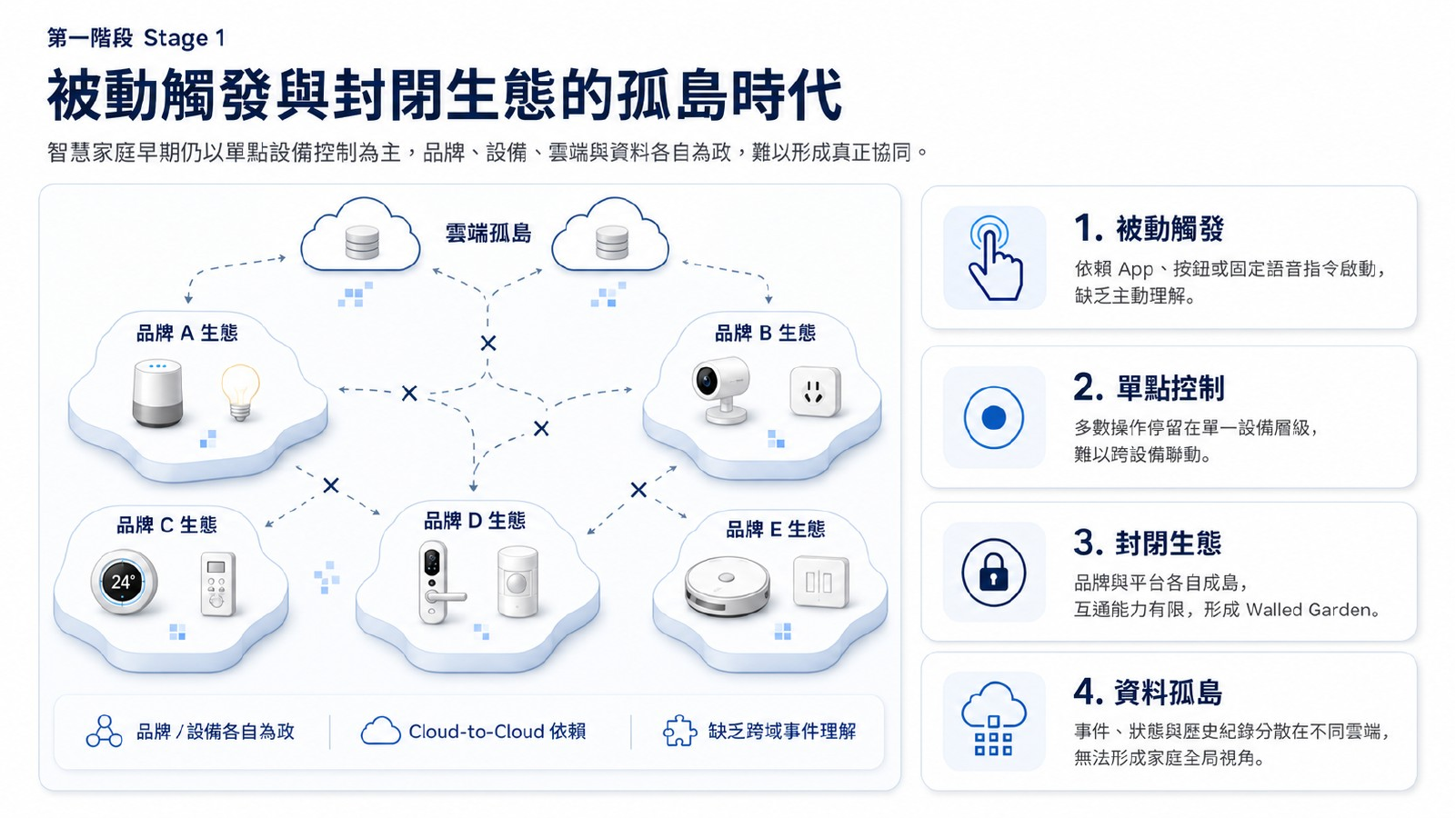
The strategic shift is not more devices. It is a local system that understands household intent and orchestrates trusted outcomes.
Wi-Fi, Bluetooth, and brand apps make devices reachable, but experiences remain fragmented and often cloud-dependent.
Matter, Thread, and shared protocols reduce walled gardens. Automations become easier, but they remain mostly passive and rule-bound.
The user expresses intent. A local orchestrator reasons over context, assigns agents, and coordinates devices and services into a closed loop.
Agentic experience needs a home brain that can respond locally, privately, and reliably.
These are not technical footnotes. They determine whether family safety, voice, camera, and home event intelligence can earn trust.
Video, voice, and household events should be processed in the home whenever possible.
Critical safety and control flows need to continue even when the internet path is degraded.
Detection, planning, and device action must feel immediate enough to be trusted in daily routines.
The home brain should not be one monolithic assistant. It should decompose intent and coordinate specialized agents, devices, and services.
Natural request, observed event, routine, notification, or sensor signal.
Understands context, risk, timing, permissions, and the desired outcome.
Specialized workers handle vision, voice, calendar, device control, and service calls.
Action closes the loop across Home, apps, web services, and human confirmation.
An agentic home needs practical reach across open APIs, MCP/tools, and app or web UI operation where formal integrations are incomplete.
Direct, governed control for devices and services with explicit integration paths.
A structured tool layer for agents to read context, call capabilities, and preserve boundaries.
Fallback operation for real-world services that still depend on human-oriented interfaces.
Use concrete household moments to test whether the strategy creates meaningful, trusted outcomes.
Existing GPT Image2 scenario visuals are kept as full-section cards to preserve the strongest prior visual work.
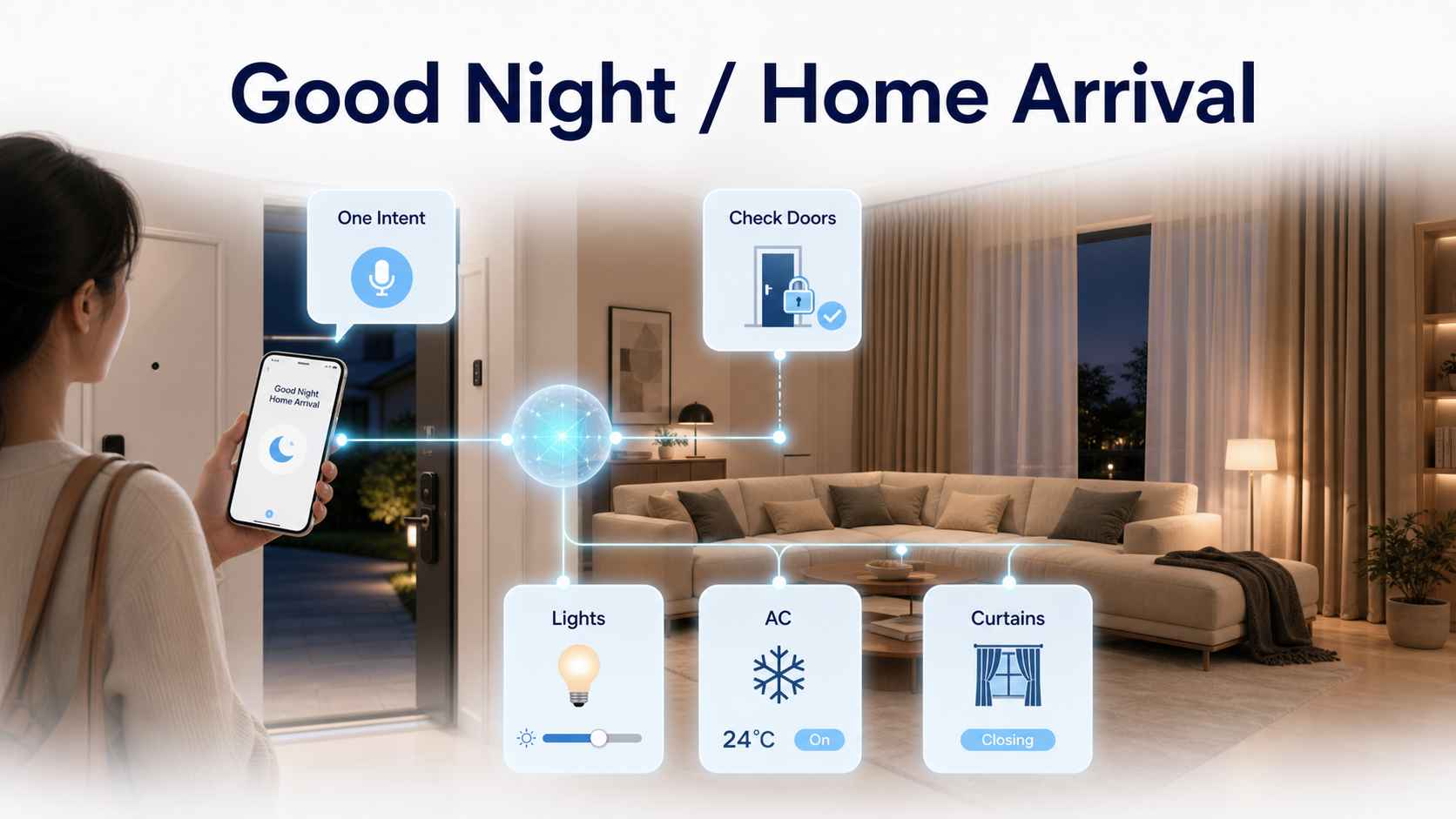
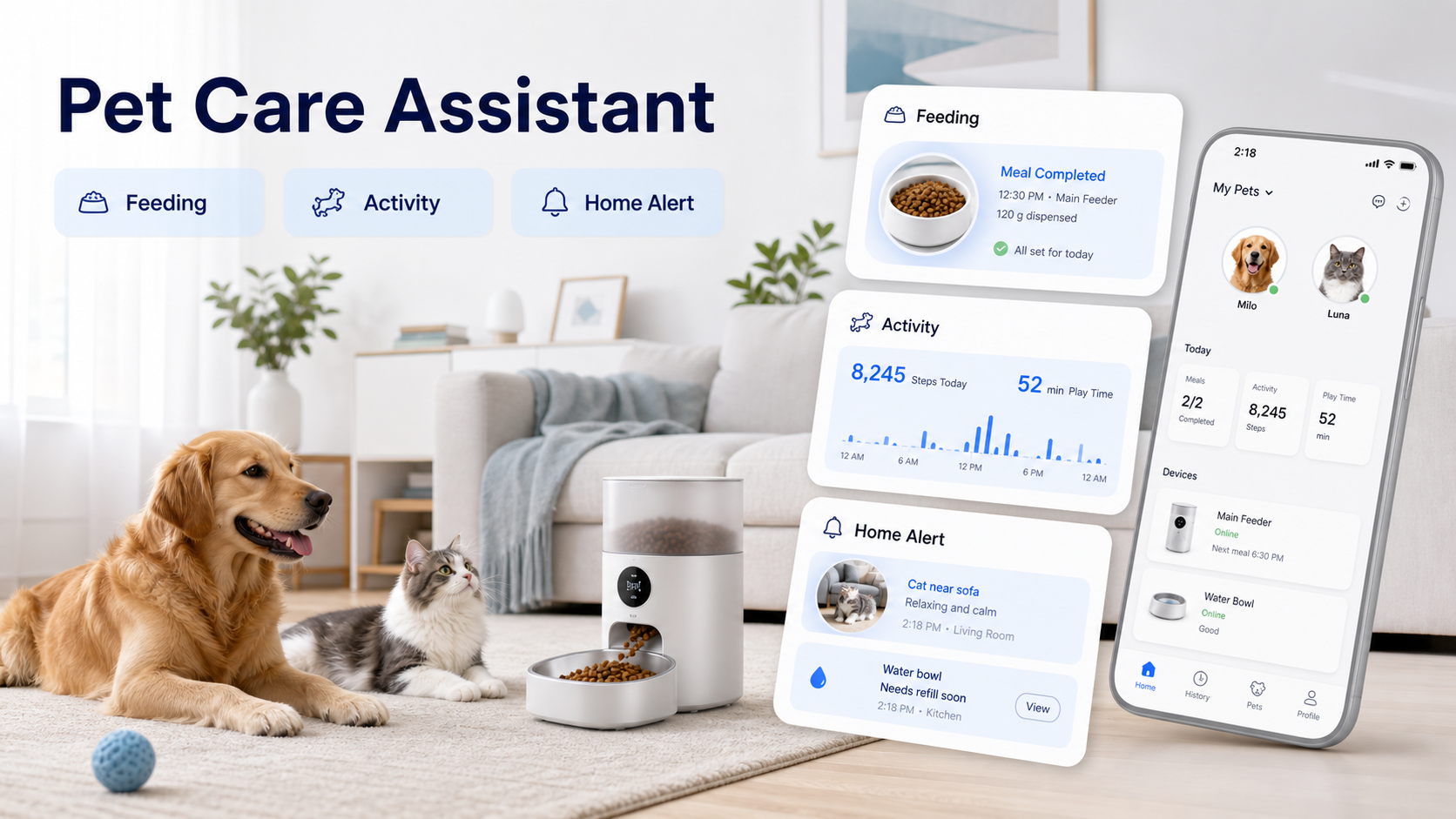
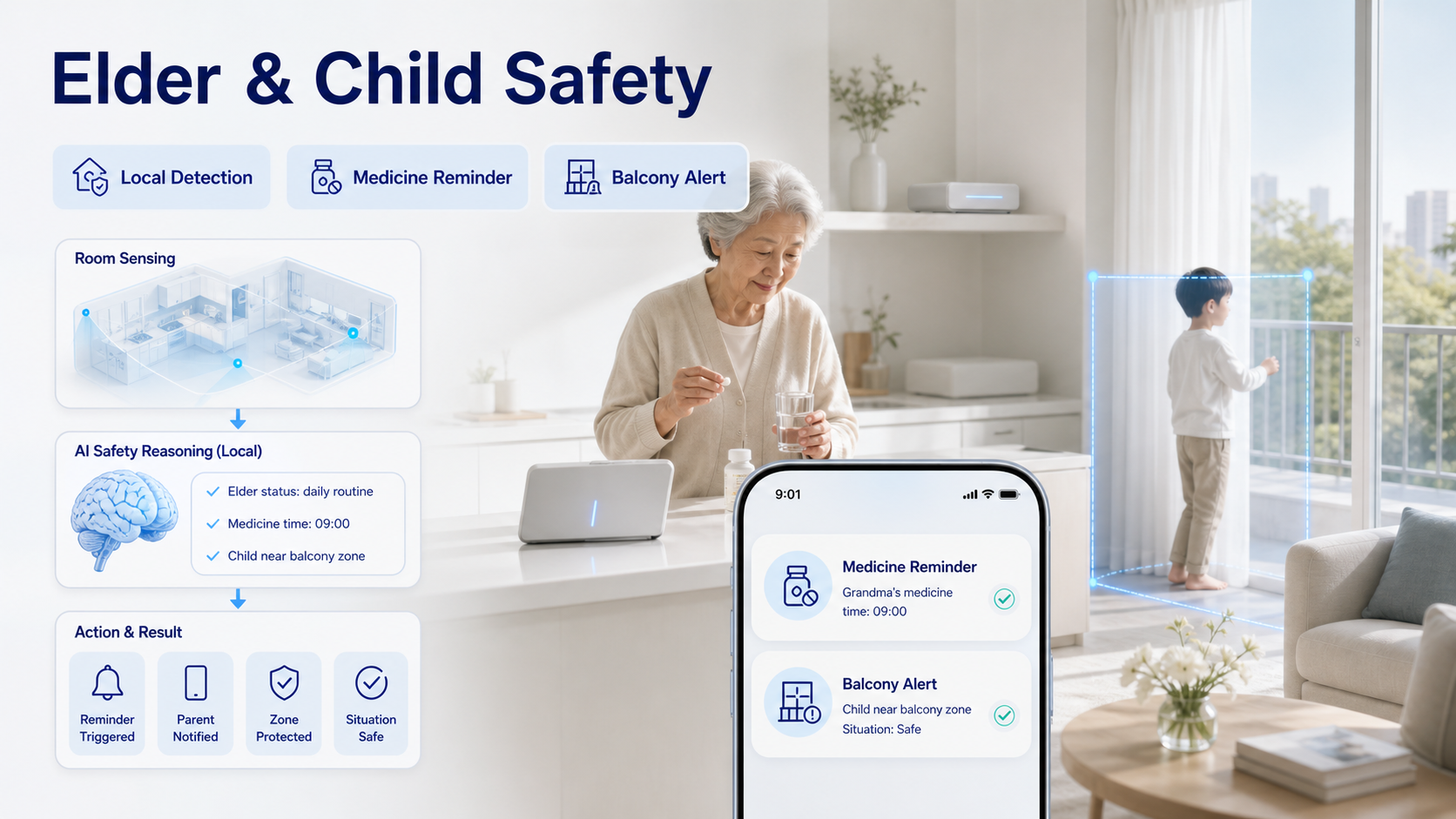
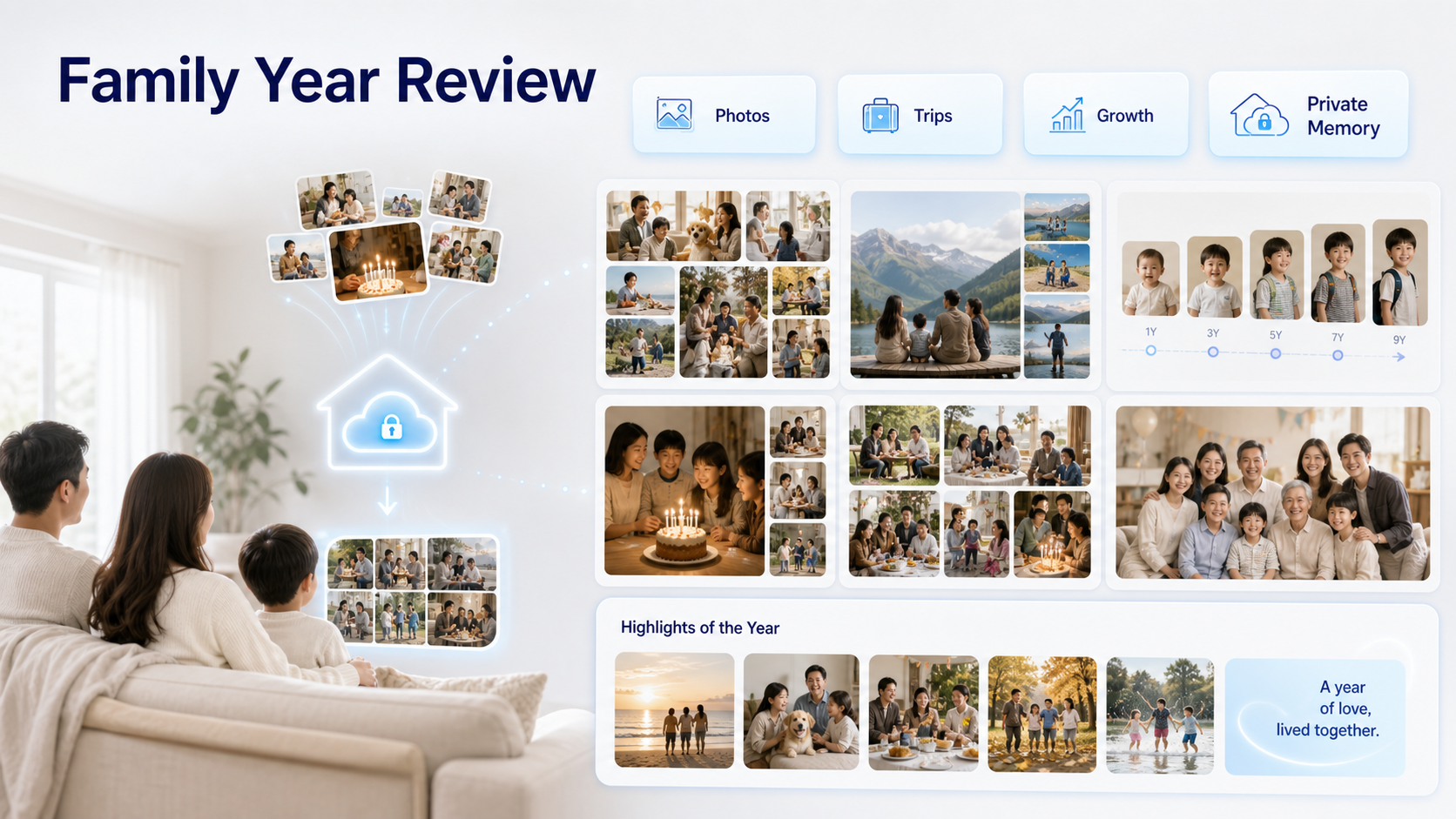
Do not force them into the opening pitch. Keep them available as depth tracks once Apple identifies the most valuable discussion path.
Agent orchestration, local inference, tool permissions, and service boundaries.
Scenario demos and operating model for household routines and safety loops.
AI Station form factor, edge compute tiers, connectivity, and deployment assumptions.
The close should create an opening for direction, not pressure toward a predetermined solution package.